Home Page
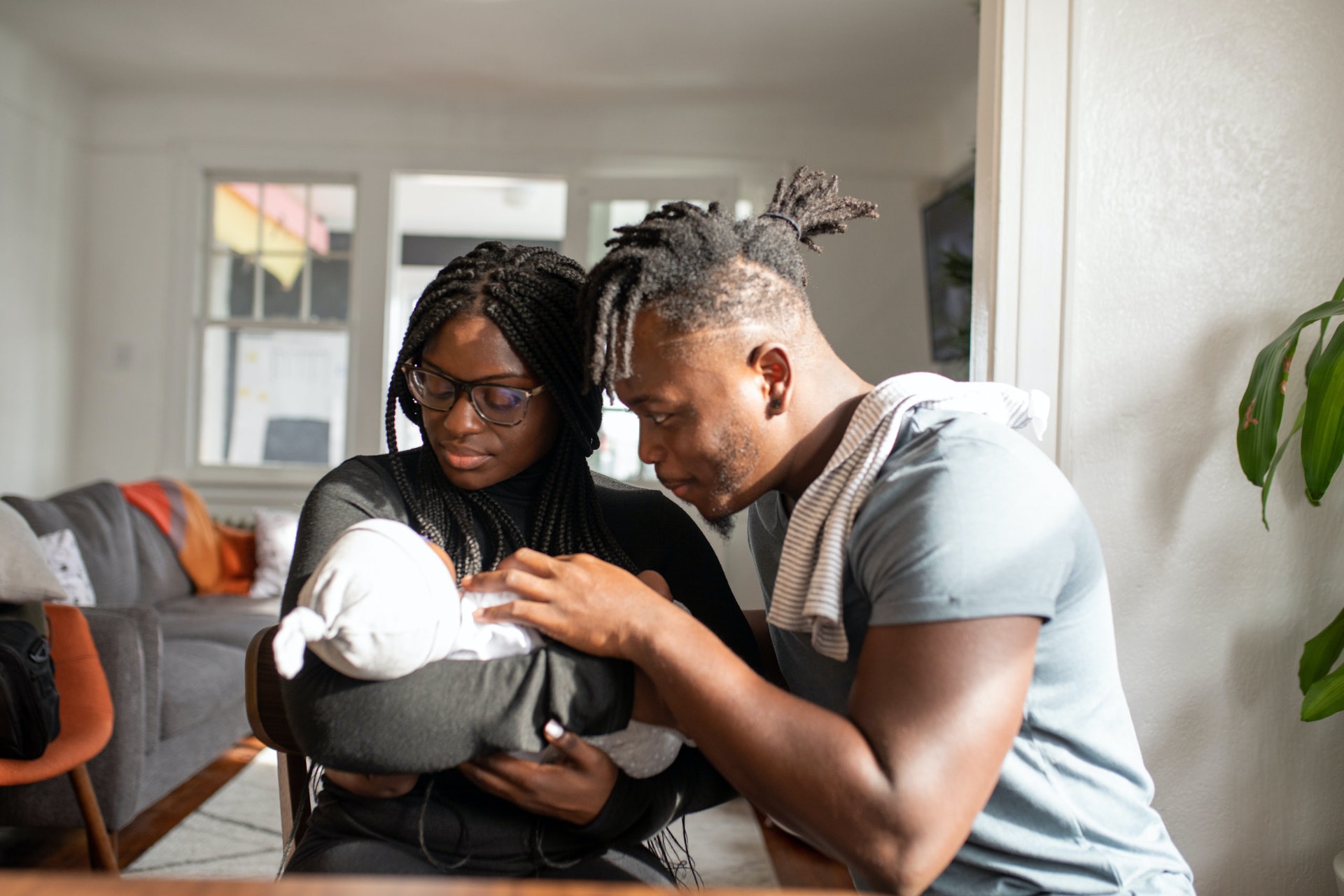
Grim statistics of black women's reproductive health and lack of reproductive freedom have haunted the nation since its founding. From forced reproduction to nonconsensual sterilization to incarcerated women delivering babies in shackles, there is a sordid history of black women lacking autonomy of their bodies and their babies. Adding to this history is the black infant mortality rate that, as of 2019, is two and a half to three times higher than that of white infants. Clinicians and traditional medical research have worked for decades to correct the disparity, yet it remains. This digital project focuses on what the statistics do not capture, highlighting instead the human stories of black women's childbirth experiences.
Numbers matter, but so do stories. What might we learn from stories that when told are often told in private spaces, like around kitchen tables? Do these stories told in intimate spaces (or not at all) offer any insight about why black women with college education are more likely to give birth prematurely than white women who did not complete high school?
Studies suggest that this disparity is not driven by genetics. African women in Africa and during the first generation after immigrating to the U.S. are within the norm for birth outcomes, but after one generation they, too, are susceptible to the negative outcomes of native-born black women. Most researchers today believe racism, both structural racism and the stress racism causes, is a key explanation for these disparities. Whether it is the lack of access to adequate healthcare or the day-to-day stress of slights, innuendoes, and the ignorance of health care providers who believe black women inherently possess higher pain thresholds, black women across social classes are subjected to implicit biases and encounter micro-aggressions that can negatively impact their pregnancy and birth outcomes.
Nationally and here in Ohio, infant mortality rates are declining, yet deaths by race remain high for black infants. Prematurity and preterm births account for the highest percentage of black infant mortality occurrences. This digital project offers a space for black mothers to add to the research differently—not by generic numbers but rather through their own unique stories of the highs and lows of being a black woman interacting with healthcare providers during pregnancy, childbirth, and the postpartum period.